



Ovarian Cysts and Fertility: Understanding the Connection

Understanding the connection between ovarian cysts and fertility can help women make informed decisions about their reproductive health. An ovarian cyst is a sac filled with fluid or other material that develops in or on an ovary. These cysts are common, particularly during the reproductive years, and many disappear naturally without treatment.
However, not all ovarian cysts are the same. While most do not interfere with the ability to conceive, certain conditions associated with ovarian cysts, including endometriosis and polycystic ovary syndrome (PCOS), may affect ovulation and make pregnancy more difficult for some women.
For women balancing work, family responsibilities and personal well-being, understanding menstrual changes and recognising when to seek medical advice can be particularly valuable. The right approach begins with identifying the type of cyst, understanding its possible effects and following an appropriate care plan.
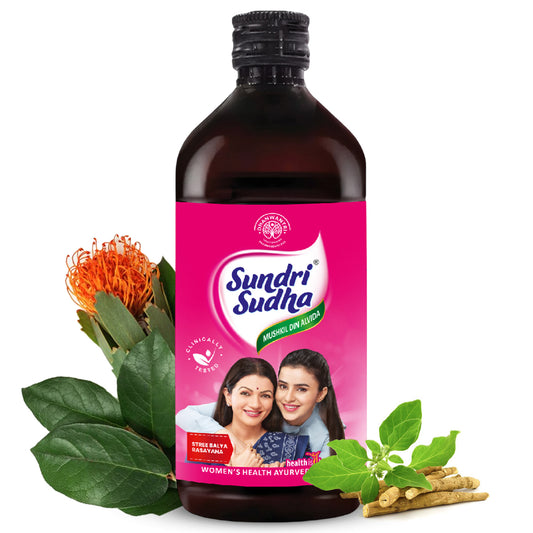
This article explains the relationship between ovarian cysts and fertility, common symptoms, lifestyle considerations, the Ayurvedic perspective and the responsible role of women's wellness products such as Sundri Sudha Women's Tonic by Dhanwantri Pharmaceuticals.
What Are Ovarian Cysts?
The ovaries are two small reproductive organs located on either side of the uterus. They release eggs during the menstrual cycle and produce hormones, including oestrogen and progesterone, that help regulate reproductive functions.
An ovarian cyst develops when a fluid-filled sac or another type of growth forms in or on an ovary. Some cysts are related to normal changes during the menstrual cycle, while others develop because of an underlying condition or abnormal cell growth.
Common types of ovarian cysts
1. Functional ovarian cysts
These are the most common type and form during the normal menstrual cycle. They usually resolve on their own over a few weeks or months and generally do not affect fertility.
2. Endometriomas
These cysts are associated with endometriosis, a condition in which tissue similar to the uterine lining grows outside the uterus. Endometriosis may contribute to pelvic pain and fertility difficulties.
3. Ovaries associated with PCOS
PCOS is a hormonal and metabolic condition that can interfere with regular ovulation. The small follicles sometimes visible on an ultrasound are not the same as a single, typical ovarian cyst. PCOS is diagnosed using clinical criteria, not an ultrasound finding alone.
4. Other ovarian cysts
Dermoid cysts and cystadenomas are examples of other ovarian growths. Their management depends on their size, appearance and symptoms. They do not generally cause infertility directly, although some may require treatment.
How Are Ovarian Cysts Connected to Fertility?
An ovarian cyst does not automatically mean a woman will have difficulty becoming pregnant. The effect on fertility depends on the cyst's type, the condition causing it, ovarian function and other reproductive factors.
1. Most functional cysts do not prevent pregnancy
Functional cysts form as part of the menstrual cycle. Their presence can be associated with normal ovarian activity, and most resolve without treatment. In many cases, a woman with a functional cyst can conceive naturally.
A healthcare professional may recommend monitoring the cyst through follow-up ultrasound examinations rather than immediate treatment.
2. Endometriosis may affect conception
Endometriosis can cause inflammation, pelvic discomfort and changes in the tissues surrounding the reproductive organs. When it affects the ovaries and leads to endometriomas, it may be associated with reduced fertility.
Treatment decisions require individual assessment because the effects of endometriosis and the potential effects of ovarian surgery on ovarian reserve must both be considered.
3. PCOS may interfere with ovulation
Ovulation is the process in which an ovary releases an egg. For pregnancy to occur naturally, ovulation generally needs to take place, and the egg must be fertilised and implant successfully.
PCOS can cause irregular or infrequent ovulation because of hormonal and metabolic changes. This can make predicting fertile days more difficult and may reduce opportunities for conception.
The World Health Organization identifies PCOS as a leading cause of irregular menstrual periods and a common cause of infertility. However, many women with PCOS can conceive with appropriate lifestyle support and medical treatment when needed.
4. Surgery may require fertility-focused planning
Some large, persistent, painful or suspicious cysts may require surgery. Whenever possible, clinicians consider ways to preserve healthy ovarian tissue, particularly for women who want children in the future.
Before surgery, discuss the potential effects on ovarian reserve, future conception and alternative treatment options with your gynaecologist. The best approach depends on the specific diagnosis and individual circumstances.
Causes and Factors Associated With Ovarian Cysts
Ovarian cysts can develop for several reasons. Identifying the underlying cause helps healthcare professionals determine whether monitoring, medication or another treatment is appropriate.
Hormonal changes during the menstrual cycle
Normal hormonal changes help ovarian follicles develop and release eggs. Sometimes a follicle continues to grow or fails to release its fluid as expected, resulting in a functional cyst. These cysts are often temporary.
Endometriosis
Endometriosis occurs when tissue similar to the lining of the uterus grows elsewhere in the body. When it affects an ovary, it can lead to an endometrioma and may be associated with pelvic pain or fertility challenges.
Polycystic ovary syndrome
PCOS is a complex condition involving hormonal and metabolic factors. It may be associated with insulin resistance, irregular menstrual cycles, acne, excess facial or body hair and difficulties with ovulation.
Pregnancy and fertility treatments
Certain cysts can be identified during pregnancy. Medicines used to stimulate ovulation may also increase the likelihood of developing ovarian cysts or enlarged ovarian structures. These situations may require individual monitoring.
Age and medical history
Ovarian cysts are common before menopause, but they can also occur after menopause. The possibility of a serious cause is generally more concerning after menopause, making appropriate medical assessment particularly important.
Not every ovarian cyst has a preventable cause. Developing a cyst does not mean a woman has done something wrong, and it should not automatically be attributed to stress, diet or lifestyle.
Ovarian Cyst Symptoms and Important Warning Signs
Many ovarian cysts cause no symptoms and are discovered during an ultrasound performed for another reason. When symptoms occur, they may range from mild discomfort to severe pain.
Common symptoms include:
-
Pelvic pain or a feeling of heaviness in the lower abdomen.
-
Abdominal bloating or swelling.
-
Pain during sexual intercourse.
-
A frequent need to urinate or difficulty emptying the bladder.
-
Changes in menstrual bleeding, including irregular or heavier periods.
-
Feeling full quickly when eating.
-
Difficulty conceiving in some cases.
These symptoms can also occur with other conditions, so they cannot confirm the presence of an ovarian cyst by themselves.
When symptoms need urgent attention
Seek urgent medical care for warning signs
Sudden, severe pelvic or abdominal pain, particularly with nausea or vomiting, may indicate ovarian torsion (twisting of the ovary) or a ruptured cyst. These complications need prompt medical assessment.
Do not wait for a routine appointment if these symptoms develop.
Lifestyle and Nutrition for Reproductive Health
Healthy daily habits can support general well-being and may be particularly helpful for women managing PCOS or other conditions affecting reproductive health. However, lifestyle changes alone cannot reliably prevent or eliminate every type of ovarian cyst.
1. Follow a balanced, nutrient-rich diet
Include a variety of foods that supply protein, fibre, vitamins and minerals:
-
Vegetables and fruits: Provide fibre, vitamins and antioxidants.
-
Whole grains: Choose options such as oats, whole-wheat roti, brown rice and millets.
-
Protein-rich foods: Include dal, beans, lentils, eggs, dairy products, tofu or other suitable protein sources.
-
Healthy fats: Nuts, seeds and appropriate amounts of unsaturated oils can form part of a balanced diet.
-
Adequate fluids: Drink water regularly throughout the day.
For women with PCOS, balanced meals and attention to overall metabolic health may be particularly useful. There is no single diet proven to cure PCOS or dissolve all ovarian cysts.
2. Stay physically active
Regular movement, such as brisk walking, cycling, dancing or strength exercises, can support cardiovascular health, mood and metabolic well-being. Choose activities that suit your fitness level and medical needs.
Women with PCOS may benefit from consistent physical activity even when it does not lead to weight loss.
3. Pay attention to menstrual patterns
Keep a record of:
-
The first day of each menstrual period.
-
Cycle length and any missed periods.
-
Unusual bleeding or pelvic discomfort.
-
Changes in acne or excess hair growth.
-
Symptoms that appear repeatedly at a particular point in the cycle.
This information can help a healthcare professional identify patterns that warrant further investigation.
4. Support sleep and manage everyday stress
Aim for a regular sleep routine and incorporate manageable stress-reduction practices, such as gentle yoga, breathing exercises, walking or relaxation breaks.
These habits can improve overall well-being, but they should not be presented as a substitute for investigating persistent menstrual irregularities or fertility concerns.
5. Avoid self-medication
Do not start hormonal medicines, fertility supplements or herbal products with the expectation that they will dissolve a cyst or improve fertility without evidence. If you are trying to conceive, discuss all medicines and supplements with your healthcare professional.
The Ayurvedic Perspective on Women's Reproductive Wellness
Ayurveda has a long tradition of supporting women's well-being through dietary practices, daily routines, herbal preparations and individualised care. Traditional Ayurvedic approaches may emphasise maintaining overall balance, supporting digestion and adapting lifestyle habits to individual needs.
Herbs such as Ashoka, Lodhra and Shatavari have traditional associations with women's health in Ayurvedic practice. However, traditional use should not be confused with proof that a particular herb treats an ovarian cyst, reverses PCOS, restores ovulation or improves the probability of pregnancy.
Ayurveda and modern medical care
A responsible approach can respect traditional wellness practices while recognising the importance of modern diagnostic methods.
For example, an ultrasound can help assess the size and appearance of an ovarian cyst. Depending on the findings, a clinician may recommend monitoring, medication, surgery or further investigation.
If you are considering Ayurvedic herbs, consult a qualified healthcare professional who understands your medical history and current treatment. Some herbal ingredients may interact with medicines or be unsuitable during pregnancy or while trying to conceive.
The key principle is to use traditional wellness practices as a possible complement to appropriate care, not as a replacement for diagnosis or fertility treatment.
Sundri Sudha Women's Tonic: A Responsible Approach to Women's Wellness
Dhanwantri Pharmaceuticals, with its Ayurvedic heritage dating back to 1921, offers Sundri Sudha Women's Tonic as part of its women's wellness product range. The formulation features herbs traditionally associated with women's health and general wellness.
Its listed herbal ingredients include:
-
Ashoka (Ashok Chhal): Traditionally used in Ayurvedic women's health formulations.
-
Lodhra: Traditionally associated with women's reproductive wellness.
-
Shatavari (Shatawar): Used in traditional Ayurvedic practices relating to women's well-being.
-
Ashwagandha: Traditionally used to support general well-being and stress management.
-
Vidarikand: Used in traditional formulations associated with nourishment and vitality.
-
Lal Chandan: Traditionally used in various Ayurvedic preparations.
-
Dhai Phool: Included in the product's herbal formulation.
These traditional uses provide context for the ingredients, but they do not establish that Sundri Sudha treats ovarian cysts or infertility.
What should women know before using Sundri Sudha?
Sundri Sudha may be considered as a women's wellness product within an appropriate personal care routine, provided it is suitable for the individual. However, it is important to understand its limitations.
-
It should not be considered a proven treatment for ovarian cysts, endometriosis or PCOS.
-
It has not been established that the product dissolves cysts, restores ovulation or increases the likelihood of pregnancy.
-
It should not replace prescribed medicines, fertility investigations or follow-up ultrasound examinations.
-
Women who are pregnant, planning pregnancy, breastfeeding or taking prescription medicines should consult a qualified healthcare professional before using the product.
-
Review the product label for ingredients, directions, warnings and suitability before use.
Women experiencing irregular periods, pelvic pain or difficulty conceiving should seek an appropriate medical assessment rather than relying on a tonic alone.
The purpose of a responsible women's wellness approach is to combine informed product choices with evidence-based medical care, healthy habits and individualised guidance.
How are ovarian cysts diagnosed?
A healthcare professional may review your symptoms, menstrual history and medical background and perform an examination if appropriate. A pelvic ultrasound is commonly used to assess a suspected ovarian cyst.
Further tests may be recommended depending on the cyst's appearance, age, symptoms and other clinical factors. Not every cyst requires treatment.
What treatment options are available?
Treatment is individualised and may include:
|
Clinical situation |
Possible medical approach |
|---|---|
|
Small, uncomplicated functional cyst |
Monitoring and follow-up ultrasound, when appropriate |
|
Persistent or symptomatic cyst |
Further evaluation and possible medication or surgery, depending on the cause |
|
Suspected endometriosis |
Assessment and treatment based on symptoms and fertility goals |
|
PCOS with irregular ovulation |
Lifestyle support and, when indicated, medical treatment to address symptoms or support ovulation |
|
Cyst with concerning features |
Specialist assessment and further investigations |
Women who have been trying to conceive without success should also discuss fertility assessment with a healthcare professional. Evaluation may depend on age, menstrual regularity, medical history and how long pregnancy has been attempted. Women with irregular or absent periods, known endometriosis or another recognised fertility concern may benefit from seeking advice earlier.
If surgery is being considered, explain your future pregnancy plans to the surgeon before making a decision. In many cases, treatment can be planned with the aim of preserving fertility whenever medically possible.
Key Takeaway
The connection between ovarian cysts and fertility depends largely on the type of cyst and the underlying condition. Most functional ovarian cysts do not prevent pregnancy and often resolve without treatment. However, endometriosis and PCOS can affect reproductive function in different ways and may require specific care.
Women can support their general reproductive health through balanced nutrition, regular physical activity, adequate sleep and attention to menstrual changes. Persistent symptoms and fertility concerns should be assessed by a qualified healthcare professional.
Sundri Sudha Women's Tonic by Dhanwantri Pharmaceuticals can be discussed as part of a broader women's wellness routine, but it should not be represented as a treatment for ovarian cysts or infertility. Traditional Ayurvedic use and scientifically established medical treatment serve different roles, and that distinction matters when making decisions about reproductive health.
