



The PMS Puzzle: Why Mood, Energy, Skin & Appetite Can All Change

Introduction
Have you ever noticed that a few days before your period, you suddenly feel more tired, irritable, hungry, emotional—or simply different from your usual self? You may also notice bloating, breast tenderness, headaches, sleep changes or an unexpected skin breakout.
These changes can be part of premenstrual syndrome (PMS), a group of physical, emotional and behavioral symptoms that occur before menstruation. PMS does not look exactly the same for everyone. Some women may notice mainly mood changes, while others experience fatigue, cravings, bloating, acne or several symptoms together.
Understanding the pattern behind these changes can make it easier to recognize what your body may be experiencing and choose practical ways to support your overall well-being.
What Is PMS?
Premenstrual syndrome (PMS) refers to a combination of symptoms that appear during the days or weeks before a menstrual period and generally improve after menstruation begins.
The exact cause of PMS is not completely understood. However, healthcare sources associate PMS with the body's sensitivity to hormonal changes during the menstrual cycle. Changes involving estrogen and progesterone may also interact with brain chemicals involved in mood, which may help explain why some women experience emotional changes alongside physical symptoms.
PMS can therefore be thought of as a monthly pattern rather than one single symptom.
One month, you might notice:
- Low energy
- Increased appetite
- Food cravings
- Irritability
- Bloating
Another month, you might experience mostly headaches, breast tenderness or acne.
The intensity and combination can vary from person to person and may also change over time.
Why Can PMS Affect Mood, Energy, Skin and Appetite?
The menstrual cycle involves natural hormonal fluctuations. For some women, these changes are associated with noticeable physical and emotional symptoms before menstruation.
1. Mood Can Feel Different
Feeling more irritable, emotional, anxious or sensitive before your period can be one of the most noticeable aspects of PMS.
You may experience:
- Irritability or frustration
- Mood swings
- Feeling unusually emotional
- Anxiety or tension
- Low mood
- Difficulty concentrating
- Feeling less socially active
Changes in mood may also be influenced by sleep, stress and individual sensitivity to hormonal fluctuations.
This doesn't mean that every emotional change before a period is automatically PMS. If mood symptoms are severe, persistent or interfere substantially with daily life, professional evaluation is important.
2. Energy Levels May Drop
Fatigue is another commonly reported PMS symptom.
You may feel:
- Less energetic than usual
- More physically tired
- Less motivated
- Mentally drained
- Less focused
Poor sleep can make this feeling worse. PMS can also be associated with difficulty falling asleep or changes in usual sleep patterns.
For students and working professionals, this can be particularly noticeable when concentration, productivity or daily responsibilities are already demanding.
3. Your Appetite May Change
PMS can influence appetite and food preferences. Some women experience stronger hunger or cravings, while others notice changes in their usual appetite.
Common experiences include cravings for:
- Sweet foods
- Salty snacks
- Chocolate
- Carbohydrate-rich foods
- Comfort foods
Food cravings are recognized among the emotional and behavioral symptoms associated with PMS.
Rather than feeling guilty about these changes, it can be more useful to focus on balanced meals and notice whether certain foods consistently make your symptoms feel better or worse.
4. Your Skin May React
Hormonal changes around the menstrual cycle can coincide with acne flare-ups in some women.
You may notice:
- More pimples
- Oily skin
- Increased skin sensitivity
- Breakouts around the days before menstruation
Acne flare-ups are among the physical symptoms reported with PMS.
However, persistent or severe acne may have causes beyond PMS and may require assessment by a dermatologist or healthcare professional.
Common PMS Symptoms at a Glance
PMS can involve several systems at once.
| Area | Common Changes |
|---|---|
| Mood | Irritability, mood swings, anxiety, low mood |
| Energy | Fatigue, low energy, reduced motivation |
| Appetite | Increased appetite, cravings, appetite changes |
| Skin | Acne flare-ups |
| Digestive system | Bloating, constipation or diarrhea |
| Breasts | Tenderness or soreness |
| Head | Headaches |
| Sleep | Difficulty sleeping or changes in sleep pattern |
| Concentration | Brain fog or difficulty focusing |
Not every woman experiences all of these symptoms, and their intensity can vary.
Factors That May Influence PMS Symptoms
PMS is not caused by one simple factor. Hormonal fluctuations are an important part of the picture, but individual experiences can also be influenced by lifestyle and overall well-being.
Hormonal Changes
The menstrual cycle naturally involves changes in estrogen and progesterone. Some people may be particularly sensitive to these fluctuations, which may contribute to recurring premenstrual symptoms.
Stress
High stress levels can make it more difficult to cope with physical and emotional changes. Stress is also identified as a factor associated with PMS in clinical guidance.
Sleep
Insufficient or disrupted sleep can add to tiredness, irritability and difficulty concentrating.
Eating Patterns
Very irregular meals or a diet heavily dominated by highly processed foods may make it harder to maintain steady energy throughout the day.
Physical Activity
Regular movement and exercise can support overall physical and emotional well-being and may help some PMS symptoms.
Lifestyle & Nutrition: Everyday Ways to Support Your Well-Being
PMS cannot always be avoided, but lifestyle habits can help some women manage symptoms.
1. Keep a PMS and Period Diary
Track:
- Date your period begins
- When symptoms start
- Mood changes
- Energy levels
- Food cravings
- Sleep
- Bloating or other physical symptoms
- When symptoms improve
Keeping a record for at least a couple of menstrual cycles can help identify whether symptoms follow a predictable pattern. Healthcare professionals may also use this information when evaluating PMS.
2. Focus on Balanced Meals
Try to include a combination of:
- Whole grains
- Vegetables and fruits
- Protein-rich foods
- Healthy fats
- Adequate fluids
Rather than completely avoiding foods you crave, focus on overall dietary balance and regular eating patterns.
3. Watch Your Salt Intake if You Experience Bloating
Hormonal changes may contribute to temporary water retention before menstruation. Reducing very salty foods may help some people with bloating and fluid retention.
4. Stay Physically Active
Regular activities such as walking, cycling, swimming or other moderate exercise can support mood and general health. Mayo Clinic recommends regular aerobic activity as part of PMS self-care.
You don't necessarily need an intense workout. A consistent walk or another activity you enjoy can be a practical starting point.
5. Prioritize Sleep
Try to maintain a consistent sleep schedule and create a relaxing bedtime routine.
Helpful habits may include:
- Limiting late-night screen use
- Keeping a regular bedtime
- Practicing deep breathing
- Creating a quiet sleeping environment
6. Make Time for Stress Management
Simple practices such as breathing exercises, yoga, meditation or relaxation techniques may help you manage stress and improve overall well-being.
Ayurvedic Perspective on Women's Monthly Well-Being
Ayurveda has a long tradition of discussing women's health, nourishment and overall balance. Traditional Ayurvedic approaches often emphasize diet, daily routines, rest and herbal preparations as part of holistic wellness.
However, traditional Ayurvedic use should not be presented as equivalent to modern clinical treatment for PMS. Scientific evidence for individual herbal ingredients and formulations can vary, and not every traditional claim has been established through modern clinical research.
For women considering an Ayurvedic or herbal product, it is sensible to:
- Check the ingredient list
- Follow the recommended serving instructions
- Discuss use with a healthcare professional if pregnant, breastfeeding or taking medicines
- Avoid using supplements as a substitute for medical evaluation when symptoms are severe
Sundri Sudha: An Ayurvedic Women's Wellness Tonic
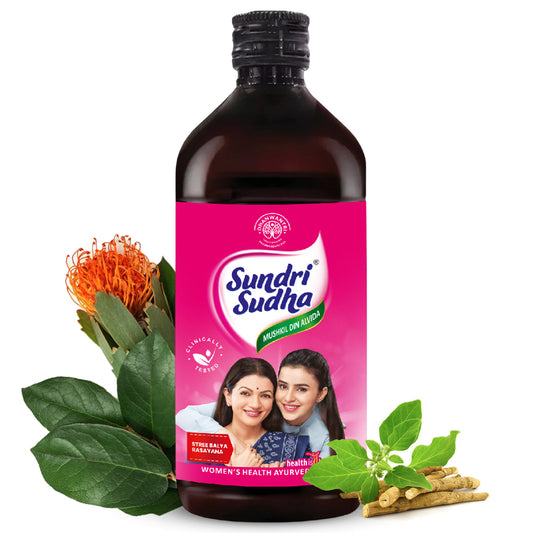
For women looking to include an Ayurvedic wellness product in their broader self-care routine, Sundri Sudha Ayurvedic Women's Tonic by Dhanwantri Pharmaceuticals can be considered as part of a holistic women's wellness approach.
Dhanwantri Pharmaceuticals carries an Ayurvedic heritage dating back to 1921, and Sundri Sudha is positioned around women's wellness across different stages of womanhood.
Its traditional herbal formulation includes ingredients such as:
- Ashoka
- Lodhra
- Shatavari
- Ashwagandha
- Vidarikand
- Lal Chandan
- Dhai Phool
The formulation is traditionally positioned around areas such as women's monthly wellness, energy, mood and overall well-being.
Importantly, Sundri Sudha should not be presented as a medical treatment or guaranteed solution for PMS. Individual responses to herbal products can differ, and anyone with persistent or significant symptoms should discuss appropriate care with a qualified healthcare professional.
For product use, follow the current label directions rather than changing the recommended serving based on symptoms.
PMS vs PMDD
It is also important to know about premenstrual dysphoric disorder (PMDD), a more severe condition associated with significant emotional and physical symptoms around the menstrual cycle.
PMDD can involve severe irritability, anxiety, depression, mood changes and other symptoms that substantially interfere with everyday life.
If you experience severe depression, hopelessness or thoughts of self-harm, seek urgent professional help rather than assuming the symptoms are simply PMS.
Key Takeaway
The PMS puzzle is bigger than period cramps.
For some women, the days before menstruation can bring a combination of mood changes, fatigue, food cravings, appetite changes, bloating, sleep disturbances and skin changes. These symptoms are commonly associated with PMS and may be linked to the body's response to hormonal fluctuations during the menstrual cycle.
The most useful first step is to understand your own pattern. Track your symptoms, maintain balanced nutrition, stay physically active, prioritize sleep and find practical ways to manage stress.
And if symptoms become severe or start affecting everyday life, don't simply accept them as something you have to live with—talk to a qualified healthcare professional.
