




Bloating Before Periods: Why It Happens

Feeling bloated, heavy, or uncomfortable before your period is quite common. Many women notice that their stomach feels fuller than usual, clothes may feel less comfortable, or they experience more gas and digestive discomfort in the days leading up to menstruation.
This temporary bloating is often connected to hormonal changes during the menstrual cycle, along with changes in digestion, fluid balance, food cravings, and daily habits.
Understanding why period bloating happens can help you make simple lifestyle choices that support better digestive comfort.
What Is Period Bloating?
Period bloating refers to a feeling of fullness, tightness, or swelling around the abdomen that occurs before or around menstruation.
It may be accompanied by:
- Feeling unusually full
- Abdominal discomfort
- Gas
- Changes in bowel movements
- Temporary water retention
- A feeling of heaviness after meals
For many women, these symptoms are temporary and improve as the menstrual cycle progresses.
Why Does Bloating Happen Before Periods?
1. Hormonal Changes
Hormones naturally fluctuate throughout the menstrual cycle. Changes in hormones such as estrogen and progesterone can influence digestion and the body's fluid balance.
These changes may contribute to feelings of bloating or abdominal discomfort before a period.
2. Water Retention
Hormonal fluctuations can also affect how the body manages sodium and fluids. As a result, some women may experience temporary water retention before menstruation.
This can make the abdomen or other parts of the body feel slightly more swollen or heavy.
3. Changes in Digestion
Hormonal changes around menstruation can influence the movement of the digestive system.
Some women may experience constipation, while others may notice more frequent bowel movements or changes in their usual digestion.
These changes can contribute to abdominal fullness and bloating.
4. Food Cravings and Dietary Changes
Before a period, some women experience increased cravings for salty, sweet, or processed foods.
Eating more salty foods may contribute to temporary fluid retention, while large or heavy meals can sometimes increase digestive discomfort.
5. Stress and Sleep Changes
Stress and poor sleep can affect everyday digestive comfort. If you are already experiencing hormonal changes before your period, irregular sleep, stress, or a disrupted routine may make you feel more uncomfortable.
Maintaining a consistent sleep and daily routine can therefore be helpful for overall wellness.
How to Reduce Bloating Before Your Period
While period bloating cannot always be completely prevented, a few healthy habits may help support digestive comfort.
Stay Hydrated
Drinking enough water throughout the day supports normal digestion and overall hydration.
Instead of drinking a large amount at once, try to maintain regular fluid intake throughout the day.
Choose Balanced Meals
Include a variety of vegetables, fruits, whole grains, protein sources, and healthy fats in your meals.
A balanced diet can support overall digestive and nutritional wellness.
Watch Your Salt Intake
If you notice that salty foods make you feel more bloated, consider reducing highly processed and very salty foods, particularly around the days when you usually experience symptoms.
Eat Mindfully
Eating slowly and chewing food properly can make meals more comfortable for digestion.
Very large meals may also feel heavier, so choosing moderate portions may be more comfortable for some people.
Include Regular Physical Activity
Gentle movement such as walking, stretching, yoga, or other enjoyable physical activity can support overall health and may help you feel less sluggish.
Prioritize Sleep
Aim for a consistent sleep routine. Good-quality sleep supports overall physical and mental wellness and can make it easier to maintain healthy daily habits.
When Should You Pay Attention to Bloating?
Occasional bloating around your period is common. However, if bloating is severe, persistent, suddenly different from your usual symptoms, or interfering significantly with daily life, it is a good idea to speak with a qualified healthcare professional.
You should also seek medical advice if bloating occurs with other concerning symptoms such as significant pain, unexplained weight changes, vomiting, blood in the stool, or persistent changes in bowel habits.
A Holistic Approach to Women's Digestive Wellness
Women's health is influenced by many interconnected factors, including hormones, nutrition, digestion, physical activity, sleep, and stress.
Rather than focusing on one symptom alone, building healthy daily habits can provide a more sustainable approach to overall wellness.
Traditional wellness practices, balanced nutrition, adequate hydration, regular movement, and a consistent routine can all be part of a holistic approach to women's health.
Conclusion
Bloating before periods is often linked to normal hormonal and digestive changes during the menstrual cycle. While it can be uncomfortable, simple habits such as staying hydrated, choosing balanced meals, moderating salty foods, staying physically active, and maintaining a healthy sleep routine may help support digestive comfort.
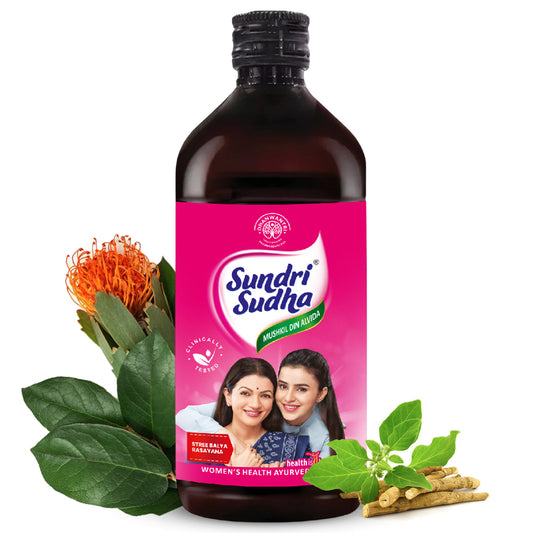
For women looking to include Ayurvedic wellness support in their daily routine, Sundri Sudha is a women's wellness formulation that can be included as part of a balanced lifestyle. Its traditional Ayurvedic approach is designed to support overall women's wellness and everyday health.
At Dhanwantri Pharmaceuticals, we believe women's wellness is best supported through a holistic approach that combines healthy daily habits with traditional Ayurvedic knowledge. Choose consistency, balanced nutrition, and mindful self-care as part of your everyday wellness journey.
Dhanwantri Pharmaceuticals — Traditional Ayurveda for Everyday Wellness.
