

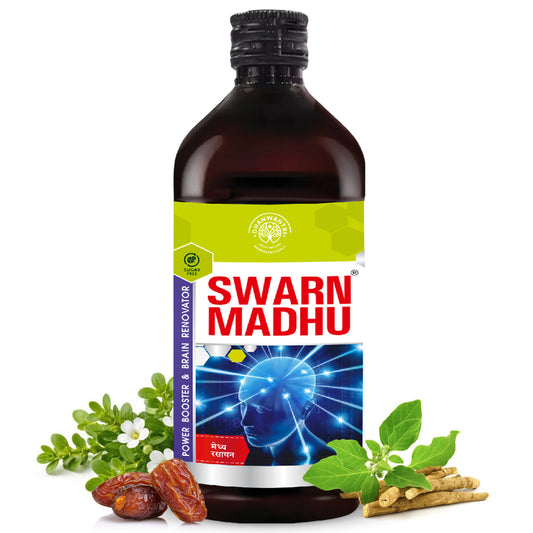



Vidarikand: Understanding Its Traditional Ayurvedic Uses

Vidarikand: Understanding Its Traditional Ayurvedic Uses
Ayurveda has a long history of using herbs as part of everyday wellness and balanced living. Among the many traditional Ayurvedic herbs, Vidarikand is valued for its nourishing and restorative properties.
Traditionally known as Vidarikand or Vidari, this herb has been used in Ayurvedic preparations designed to support strength, nourishment, vitality and overall well-being. Its traditional use makes it an interesting ingredient to understand in the context of modern wellness routines.
What Is Vidarikand?
Vidarikand is an Ayurvedic herb obtained from the tuberous root of the Pueraria tuberosa plant. The root has traditionally been used in Ayurvedic formulations and is generally associated with nourishing and rejuvenating properties.
In Ayurveda, Vidarikand is commonly discussed as a Rasayana-type herb, meaning herbs traditionally used as part of approaches focused on nourishment, vitality and maintaining overall wellness.
Traditional Ayurvedic Uses of Vidarikand
1. Traditionally Used for Nourishment
Vidarikand has traditionally been valued as a nourishing herb. It has been included in Ayurvedic preparations intended to support the body's overall strength and nourishment.
A balanced diet and healthy daily routine remain important foundations of wellness, while traditional herbs may complement such routines.
2. Supports Traditional Concepts of Vitality
Ayurvedic traditions have associated Vidarikand with maintaining vitality and strength. This is one reason it has historically appeared in various nourishing formulations.
Rather than looking at a single herb as a quick solution, Ayurveda generally emphasizes consistency, balanced nutrition and healthy lifestyle habits.
3. Traditionally Associated With Rejuvenation
Vidarikand is traditionally regarded as a rejuvenating herb. In Ayurvedic wellness, rejuvenation focuses on supporting the body through proper nourishment and maintaining vitality over time.
This traditional perspective makes Vidarikand particularly interesting for people exploring the role of herbs in holistic wellness.
4. Traditionally Used in Women's Wellness
Vidarikand has also been traditionally included in certain Ayurvedic formulations associated with nourishment and women's wellness.
However, individual needs can vary, and herbs should not be considered substitutes for professional medical care, particularly during pregnancy, breastfeeding or when managing a health condition.
5. Part of Traditional Ayurvedic Formulations
One of the interesting aspects of Vidarikand is that it is often used as part of herbal combinations, rather than necessarily being considered on its own.
Ayurvedic formulations may combine different herbs according to their traditional properties and intended purpose.
Why Is Vidarikand Relevant Today?
Modern lifestyles can often involve irregular meals, demanding schedules, inadequate rest and ongoing stress. This has increased interest in traditional wellness practices and herbal ingredients.
Vidarikand represents one example of an Ayurvedic herb that has been traditionally valued for nourishment and vitality.
However, good health is not dependent on one ingredient. A balanced diet, adequate sleep, regular physical activity, hydration and appropriate healthcare all play important roles in overall wellness.
Vidarikand and Ayurvedic Wellness
The traditional Ayurvedic approach focuses on balance rather than quick fixes. Herbs such as Vidarikand are best understood as part of a broader wellness philosophy.
When choosing an Ayurvedic herbal product, it is important to check the complete ingredient list, recommended directions and product-specific guidance. People taking medicines or managing medical conditions should consult a qualified healthcare professional before using herbal supplements.
How Can Vidarikand Be Included in a Wellness Routine?
If Vidarikand is included in an Ayurvedic formulation, follow the manufacturer's recommended directions rather than assuming a dosage based only on the herb itself.
A healthy routine can also include:
-
A balanced and varied diet
-
Regular physical activity
-
Adequate sleep
-
Good hydration
-
Stress-management practices
-
Consistent daily habits
-
Professional medical advice when needed
Conclusion
Vidarikand is a traditional Ayurvedic herb valued for its nourishing, rejuvenating, and vitality-supporting properties. Its long-standing place in Ayurveda reflects the importance of natural herbs in supporting overall wellness and maintaining a balanced lifestyle.
At Dhanwantri Pharmaceuticals, we believe in combining the wisdom of traditional Ayurveda with responsible, quality-focused wellness practices. With a commitment to Ayurvedic formulations, Dhanwantri Pharmaceuticals continues to bring traditional herbal knowledge into modern wellness routines.
Explore the traditional world of Ayurveda with Dhanwantri Pharmaceuticals and discover how time-tested herbs can become a meaningful part of your everyday wellness journey.
